Author: Jom
Published on: 2026-04-03
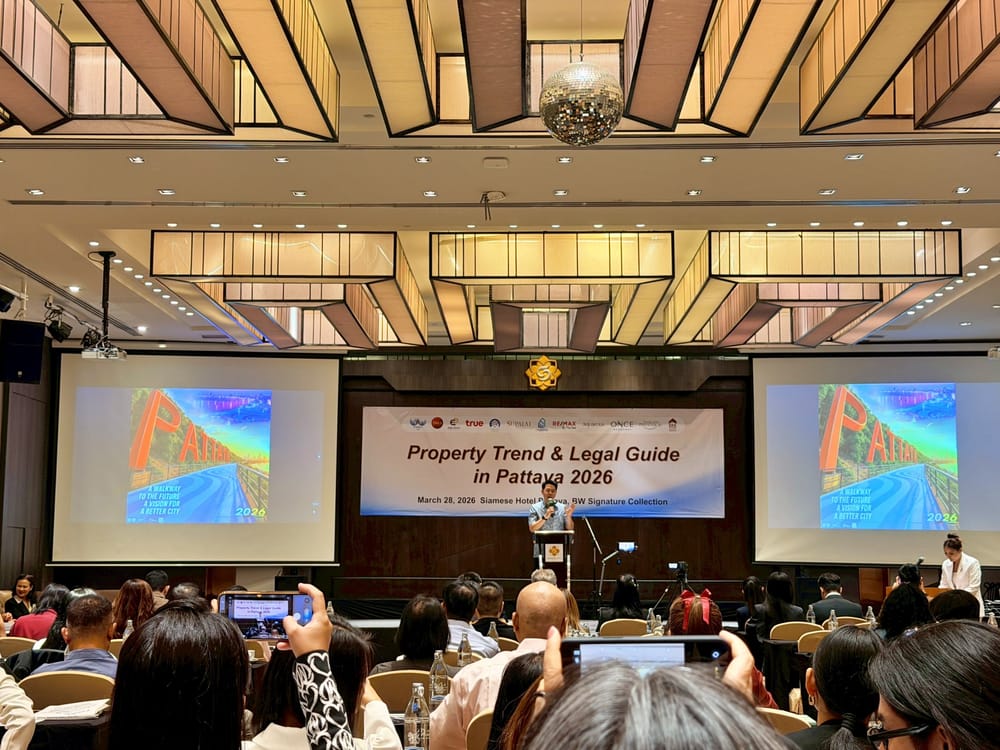
Pattaya is no longer just a lifestyle and tourism market. In 2026, it is increasingly being viewed as a long-term investment city linked to the Eastern Economic Corridor (EEC), with stronger infrastructure, expanding healthcare, improving urban systems, and growing relevance for foreign buyers who want more than just a holiday home.
That direction was reinforced at the Property Trends & Legal Guide in Pattaya 2026 seminar at The Siamese Hotel Pattaya, where the agenda brought together senior public officials, real estate specialists, immigration representatives, and legal experts.
The program included opening remarks by Mr. Chaiporn Paepirarat, Deputy Governor of Chonburi Province, a city vision session by Mr. Poramase Ngampiches, Mayor of Pattaya City, a market overview by Dr. Sopon Pornchokchai, foreign buyer insight from Mr. Clayton Wade, LTR and investment guidance from Ms. Pitchayanin Phayungsuwan of the BOI, immigration updates from Chonburi Immigration, and legal guidance from Ms. Kanyapas Tantivatanasatien.
For foreign buyers in Pattaya, the most important takeaway is not just where prices are moving. It is understanding how EEC-driven growth, foreign condo ownership, and the 3 million baht condominium threshold for a 1-year extension support route may affect smarter buying decisions in 2026.
The seminar summary also clearly framed Pattaya as an investment gateway within the EEC, alongside city upgrades, medical hub development, and long-stay relevance.
For years, many buyers viewed Pattaya mainly as a beach city, retirement base, or second-home market. That is still true in part, but it is no longer the full story.
The seminar positioned Pattaya as a city evolving into a broader investment and lifestyle gateway within the EEC. Instead of being seen only through the lens of tourism, Pattaya is increasingly tied to regional infrastructure growth, industrial expansion, international business mobility, healthcare development, airport access, smart city planning, and long-stay foreign resident demand.
This matters because markets that benefit from both lifestyle demand and economic corridor growth often become more resilient than markets driven by tourism alone. That is a stronger long-term story for serious buyers, especially those thinking beyond short-term speculation.

The EEC is one of Thailand’s most important long-term economic development strategies, and Pattaya is increasingly positioned as one of its most visible residential and lifestyle gateways.
The seminar highlighted four strategic advantages behind that shift.
Pattaya sits close to major EEC transport links, including U-Tapao International Airport, future high-speed rail connectivity, and strong road access into the wider Chonburi and Rayong corridor.
For foreign buyers, this strengthens Pattaya’s appeal not just as a leisure destination, but as a city that can support longer-term living, business access, and cross-border mobility.
The seminar emphasized Pattaya’s proximity to key industrial zones and the wider presence of sectors such as EV manufacturing, electronics, logistics, and advanced services.
That matters because cities near expanding employment and investment corridors often benefit from stronger long-term housing demand, better rental resilience, and a broader buyer pool beyond pure retirees or short-term tourists.
One of the most important long-term quality signals mentioned was Thammasat University Hospital Pattaya in the EEC Medical City area near East Pattaya and Mabprachan. The seminar summary described a 300-bed digital hospital with future expansion to 600 beds, alongside a wider medical-city concept serving residents and foreigners.
For foreign buyers, especially retirees and family buyers, this is a meaningful signal. Better medical infrastructure often increases confidence in a city as a real long-stay destination, not just a holiday base.
For family buyers, this matters even more when combined with Pattaya’s improving education options.
As the city attracts more long-stay residents and relocation-focused buyers, access to reputable international schools becomes part of the real investment decision, not just a lifestyle bonus. If you are evaluating Pattaya as a place to live with children, our international schools in Pattaya guide can help you compare the key options for expat families.
The seminar also highlighted practical city-level improvements such as expanded CCTV and real-time monitoring systems, upgraded traffic management, safer intersections, better pedestrian routes, and stronger public lighting.
These are not glamorous talking points, but they matter in real life. A city that becomes easier and safer to live in often becomes more attractive to long-stay foreigners, retirees, family buyers, remote professionals, and executive renters.
One of the biggest long-term signals highlighted around the seminar was the scale of EEC City — a major smart city and economic zone planned near Huai Yai / U-Tapao, which many investors casually compare to a “next-generation Bangkok expansion” for the Eastern region.
Rather than a simple housing project, EEC City is being positioned as a large mixed-use urban development designed to support the Eastern Economic Corridor’s next phase of growth. The planned area covers approximately 14,619 rai (around 24 square kilometres) and is intended to become a modern live-work-invest environment connected to major infrastructure, industry, and international mobility.
The long-term vision includes business districts, offices, government and service hubs, healthcare, digital economy activity, logistics support, residential zones, and green urban planning, with a significant portion of the land allocated to open space and environmentally focused systems. Public planning discussions have also pointed to strong connectivity advantages, especially with its proximity to U-Tapao International Airport, the wider EEC transport network, and future rail links.
What matters most for Pattaya property buyers is not the marketing label — it is the implication. Projects of this scale support a broader shift in how Pattaya is being viewed: not only as a tourism city, but as part of a much larger long-term economic and lifestyle corridor.
For serious investors, this strengthens the case for Pattaya as a market tied to infrastructure, employment growth, business mobility, and long-stay international demand — not just seasonal tourism cycles.
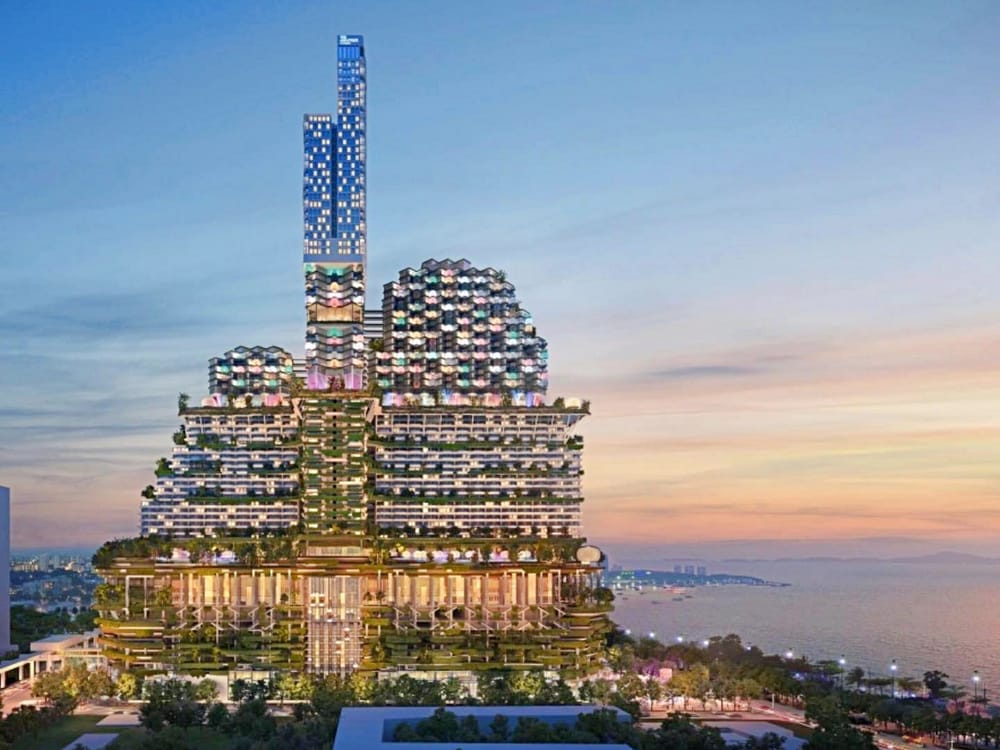

Another notable development highlighted in the seminar was Aquatique Pattaya, a major mixed-use beachfront project in central Pattaya near Beach Road and Second Road, developed by Asset World Corporation (AWC).
The project was presented as a large-scale urban transformation initiative combining luxury hotels, shopping and lifestyle space, entertainment attractions, art and leisure concepts, wellness facilities, convention infrastructure, and residential components.
With an investment value reported at 100 billion baht , Aquatique Pattaya stands out as an important signal that major capital continues to target Pattaya’s beachfront core, not only for tourism, but for broader long-term city positioning.
For foreign buyers, projects like this reinforce a bigger pattern. Central Pattaya is still attracting institutional-scale investment, the city is moving further toward mixed-use urban regeneration, and future value is increasingly tied to infrastructure, amenities, and destination quality.
This is one of the most commercially important parts of the seminar for foreign buyers.
The seminar outlined a property-investment-based route that may support a 1-year extension of stay, but it must be explained correctly.
This is not a visa type.
It is not automatic residency.
It is not guaranteed approval.
Instead, it is a possible 1-year extension support route, subject to immigration rules and case-by-case review.
For the condominium route, the seminar stated that the applicant must generally:
- own a condominium worth at least 3 million THB
- hold it as foreign freehold under the foreign quota
- have the ownership legally registered
- hold a proper Chanote title deed with name
- show overseas fund transfer evidence, typically including FET documentation
- already be in Thailand on a valid visa status before applying for any extension consideration
This is exactly why many foreign buyers should think about legal structure first, not just the unit or the view. A condo that meets the right legal conditions may support more than just ownership clarity. It may also become part of a broader long-stay planning conversation.
This point needs to be stated clearly because it is one of the most misunderstood topics in the Pattaya market.
Buying a 3 million baht condominium in Pattaya does not automatically give a foreign buyer:
- a new visa category
- permanent residency
- automatic approval for long stay
- work rights in Thailand
- guaranteed family inclusion
- an exemption from immigration rules
The seminar specifically emphasized that this route should be understood as a 1-year extension of stay support framework, not a standalone visa.
Final approval remains subject to Thai Immigration review, the applicant’s current visa status, supporting documents, and the officer’s discretion. It also does not create legal work rights in Thailand.
That is why serious buyers should avoid sales language such as “buy condo get visa” or “3 million baht automatically qualifies you.” That is not the right way to explain it.
If a buyer wants to explore this route further, they can make a direct inquiry with Thailand Longstay for guidance on long-stay support and process requirements.
From a Pattaya property strategy perspective, this is why foreign freehold condominiums remain so important in 2026.
They are often the strongest fit for foreign buyers because they can offer direct ownership in the buyer’s own name, clearer resale pathways, better legal clarity, stronger inheritance planning, and easier due diligence compared with more complex land-linked structures.
They also matter because they are the ownership route most directly relevant to the 3 million THB extension-support conversation when the legal conditions are met.
That does not mean condos are always the best asset for every buyer. But for many foreign purchasers, especially those who want a cleaner ownership route with fewer structural complications, condos remain the most straightforward starting point.
While Pattaya’s EEC growth story can also support landed home demand, foreign buyers still need to remember that houses and land are not owned the same way as condominiums.
This is where many buyers make expensive mistakes.
A house may feel like the better lifestyle choice, but the legal structure behind it can be more complex than a foreign freehold condo. That is why buyers looking at villas or landed homes should think carefully about land control, leasehold review, company-related risk, succession planning, resale practicality, and long-term use versus long-term liquidity.
One of the most important takeaways from the seminar is that property ownership, long-stay eligibility, and legal work rights in Thailand are not the same thing.
A foreign buyer may legally own a condominium in Thailand under the correct structure and foreign quota rules, but that does not automatically mean the buyer has a visa, permanent residency, or permission to work.
In some cases, a properly structured condo purchase may help support consideration for a 1-year extension of stay, but this is not automatic, does not guarantee approval, and should not be confused with a standalone visa category.
Work rights are also separate. A property-based extension support route does not replace the need for the correct visa and work permit if the buyer wants to work legally in Thailand.
This distinction matters because many foreign buyers still misunderstand ownership rights, stay rights, and work authorization as if they are one legal package. In Thailand, they are related only in limited ways — and should always be treated as separate legal issues.
Pattaya’s investment case in 2026 looks stronger than many buyers realise because it now sits at the intersection of:
- established foreign buyer familiarity
- beach and lifestyle appeal
- relatively broad price accessibility
- improving urban infrastructure
- EEC-linked economic positioning
- expanding medical and long-stay appeal
- stronger relevance for retirees, investors, and relocation buyers
That is a much more compelling story than “cheap resort property.”
But the best buyers in 2026 will not be the ones who move the fastest. They will be the ones who understand which ownership structure actually suits them, whether a condo or landed home is the right legal fit, how the 3 million THB threshold really works, what immigration myths to avoid, and how Pattaya’s EEC evolution may affect long-term demand.
The most important lesson from the seminar is not simply that Pattaya is growing.
It is that Pattaya is evolving in a more serious direction — one that combines lifestyle demand with infrastructure, healthcare, connectivity, and EEC-driven economic relevance.
That is good news for foreign buyers.
But it only becomes a good purchase when the buyer understands the structure behind it.
In 2026, the smartest Pattaya property decisions are usually built around three things:
- buying in the right market cycle
- choosing the right legal ownership route
- matching the property to a realistic long-stay or exit plan
For many foreign buyers, that starts with understanding why foreign freehold condos remain so important, why the 3 million THB threshold is often misunderstood, and why Pattaya’s EEC growth story may matter more than most people realise.
Once you've purchased, turning that investment into rental income has its own set of steps — see our guide to renting out property in Pattaya for what's involved as a landlord.
If you buy with the right structure first, Pattaya can be a much stronger long-term opportunity than a simple holiday-property narrative suggests.
Pattaya property looks stronger in 2026 because the city is increasingly supported by more than tourism alone. Buyers are watching EEC-linked infrastructure, U-Tapao connectivity, healthcare expansion, urban upgrades, and growing long-stay demand from retirees, second-home buyers, and foreign residents. That gives Pattaya a broader long-term story than a market driven only by short-term tourism cycles.
The Eastern Economic Corridor is helping reposition Pattaya as more than a holiday market. Stronger transport links, proximity to industrial growth, airport relevance, healthcare expansion, and business mobility can support longer-term residential demand. For property buyers, that means Pattaya is increasingly being viewed as a lifestyle city with wider economic backing, not just a tourism-led destination.
The 3 million baht condo rule is commonly discussed as a possible support route for a 1-year extension of stay in Thailand in certain cases. It is generally understood as requiring a qualifying condominium held under the correct legal structure, proper ownership registration, and supporting documentation such as overseas fund transfer evidence. Final eligibility and approval remain subject to Thai Immigration rules and case-by-case review.
No. Buying a 3 million baht condo in Pattaya does not automatically give a foreigner a visa, permanent residency, or guaranteed long-stay approval. It is better understood as a possible support factor for a 1-year extension of stay in certain cases, subject to legal eligibility, valid visa status, supporting documents, and Thai Immigration approval.
No. Buying property in Pattaya does not automatically qualify a foreigner for Thailand’s Long-Term Resident (LTR) visa. LTR eligibility depends on category-specific requirements such as income, assets, retirement profile, remote work status, or qualifying investment under BOI-related rules. Property ownership alone should not be treated as automatic LTR eligibility.
No. Buying a qualifying condo or using a property-based extension support route does not grant work rights in Thailand. Foreigners who want to work legally still need the correct visa and work permit structure under Thai law. Property ownership, stay rights, and work authorization should always be treated as separate legal issues.
For many foreign buyers, foreign freehold condos remain the most practical option because they can offer direct ownership in the buyer’s own name, clearer legal structure, easier resale pathways, and simpler due diligence compared with houses or land-linked property structures. They are often the cleanest starting point for buyers who want legal clarity and fewer ownership complications.

Jom
Sales Manager
Avoiding Rental Scams in Pattaya: What to Look Out for When Renting (2026 Guide)
Learn what to look out for when renting in Pattaya in 2026, including common rental scams, agent risks, and contract mistakes to avoid.
Best Areas to Buy a House in Pattaya 2025 | PropertySpace Pattaya Guide
Discover the best areas to buy a house in Pattaya in 2025, from family-friendly neighborhoods to premium villa zones.
Best Areas to Live & Buy Property in Pattaya — PropertySpace Neighborhood Guide
Looking for the best areas to live or buy property in Pattaya? Discover lifestyle insights, expat favorites, and expert guidance from PropertySpace.
Best Modern Condos in Jomtien (2026 Guide for Foreign Buyers)
A practical 2026 guide to the best modern condos in Jomtien for foreign buyers and expats, featuring beachfront, lifestyle, and long-stay condominium options.

Best Pattaya Properties for Sale: Condos, Houses & Villas
Explore the best Pattaya properties for sale, including condos, houses, pool villas, top areas, prices, and buying tips for foreign buyers.

Best Real Estate Agency in Pattaya 2025 | PropertySpace Guide
Discover how to find the best real estate agency in Pattaya. Expert tips and trusted local insight from PropertySpace Pattaya.

Buying a Condo or Villa in Pattaya: The Ultimate Guide for Expats
Navigating the legal landscape is essential when buying property in Pattaya as an expat.
Can Foreigners Buy Property in Pattaya? A Comprehensive Guide
Understanding Property Ownership for Foreigners in Thailand
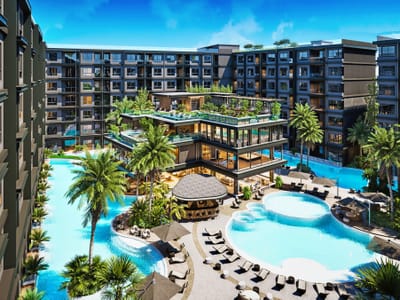
Discover the Luxurious Lifestyle at Zenith Pattaya: A Wellness-Centered Paradise
Pattaya's First Wellness-Centered Living Experience

Highgate International School Pattaya | Property Investment Guide
Discover how Highgate International School Thailand boosts Pattaya’s real estate market and property investment opportunities.
How to Buy a Condo in Thailand as a Foreigner: Step-by-Step Process (2026 Guide)
A practical 2026 guide for foreigners buying a condo in Thailand, covering foreign quota, FET, costs, contracts, and transfer steps clearly.
How to Rent Out Property in Pattaya: 2026 Landlord Guide
Learn how to rent out property in Pattaya as a foreign owner, including TM30, tenant screening, rental pricing, tax and property management.
How to Sell a Condo in Pattaya as a Foreign Owner
A practical guide for foreign condo owners in Pattaya covering resale pricing, documents, taxes, transfer fees and sending sale proceeds overseas.
International School Fees in Pattaya: Costs & Where to Live
Compare international school fees in Pattaya for 2026–2027, including Regents, Rugby School Thailand and Tara Pattana. Discover tuition costs, entrance fees and the best areas to live near international schools.
International Schools in Pattaya: Complete Guide for Expat Families
Explore international schools in Pattaya, curriculum options, fees structure and best areas for expat families relocating to Thailand.
Leasehold vs Freehold in Pattaya: What Foreign Buyers Should Actually Know Before Buying
Understand leasehold vs freehold in Pattaya for foreign buyers. Learn the real differences, legal risks, resale impact, and which ownership type may suit your goals.

Luxury Coastal Living at Aquarous Jomtien Condominium, Pattaya
Discover Aquarous Jomtien Condominium, a stunning high-rise development in Jomtien Pattaya, offering breathtaking 85% sea-view units, world-class amenities, and luxurious living spaces.
Off-Plan Condos in Pattaya: A Wise Investment or a Risky Bet?
This article aims to guide you through the ins and outs of investing in off-plan condos in Pattaya.
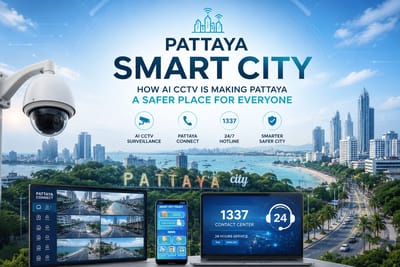
Pattaya Smart City: How AI CCTV Is Making Pattaya a Safer Place to Live, Visit, and Invest
Pattaya Smart City is transforming Pattaya through AI CCTV, Pattaya Connect, and smarter public safety systems, helping create a safer city for residents, tourists, and property investors in 2026.

Property Inspection Pattaya: What Buyers Should Really Check Before Taking Ownership (2026)
Learn what buyers should really check during a property inspection in Pattaya, including common issues, timing, and new vs resale considerations.
Rental Agreement Thailand: What Pattaya Tenants Should Check Before Signing
Understand rental agreements in Pattaya, including deposits, lease terms, utilities, repairs and what tenants should check before signing.
Renting in Pattaya: What to Know Before You Rent
Everything you need to know about renting a condo, house, or pool villa in Pattaya — best areas, costs, documents, and what your rental agent actually does.
Thailand Elite Visa vs Retirement Visa: Which Is Right for Pattaya Property Buyers in 2026?
Thinking of buying property in Pattaya and staying long-term? This guide compares the Thailand Retirement Visa and the Thailand Privilege Card (Elite Visa) — covering costs, requirements, and which long-stay visa suits your lifestyle and budget in 2026.
The Riviera Beverly Hills Residence: Pattaya’s New Luxury Condo Investment Opportunity
Discover The Riviera Beverly Hills Residence, a luxury low-rise condo in Jomtien. Perfect for investors, expats & families seeking a Pattaya property.

The Riviera California - Iconic Living For The Few
Luxury Sea View Condos in Pattaya with 5-Star Concierge & Iconic Rooftop Pools | 122 Residences Only

The Riviera Santa Monica: Luxury Living Meets California Vibes in Jomtien, Pattaya
Discover The Riviera Santa Monica, an extraordinary 7th high-rise condominium by the award-winning Riviera Group.

Top 5 Condos in Pattaya 2025 | Best New Projects & Investment Guide
Discover Pattaya’s top 5 condo projects for 2025 — verified developments, investment potential, and local insight from PropertySpace.

Top Luxury Villas in Pattaya 2025 | PropertySpace Pattaya Guide
Explore Pattaya’s top luxury villa estates and pool villas in 2025 — gated communities, prime areas, and trusted insights from PropertySpace Pattaya
What Are the Real Buying Costs of a Condo in Pattaya?
Understand the real buying costs of a condo in Pattaya, including transfer fees, maintenance fees, sinking fund, legal checks, and hidden costs buyers often miss.

Where to Buy a House in Pattaya as a Foreigner (2026 Practical Guide)
A practical 2026 guide for foreigners buying houses in Pattaya, covering the best areas, ownership options, and real-life buying considerations.
Why Pattaya Attracts Long-Stay Residents, Retirees and Second-Home Owners in Thailand
Discover why Pattaya attracts long-stay residents, retirees, and second-home owners seeking coastal living, convenience, and lifestyle flexibility
Why Pattaya is the Ideal Destination for Retirement
Discover why Pattaya is the ideal place to retire in Thailand

089 714 1551 (ENG/TH)
Call Now081 969 4950 (ENG/CN)
Call Now