Published on: 2026-04-06
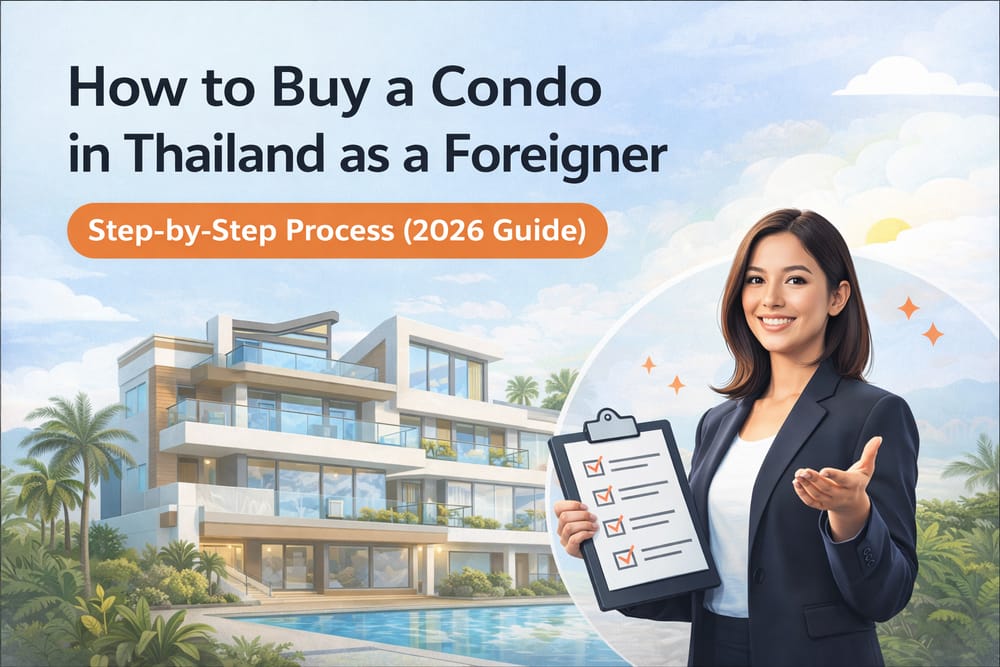
Buying a condo in Thailand as a foreigner is possible, and in most cases, it is the simplest and safest way to buy property here. This step-by-step guide explains foreign quota, overseas fund transfers, FET requirements, contract checks, transfer costs, and the legal process before you buy.
Yes. Foreigners can legally buy and own a condominium unit in Thailand in their own name if the unit is in a registered condominium project and foreign quota is still available.
This is why many overseas buyers choose a condo first. The ownership rules are usually clearer, the process is easier to understand, and the transfer can be cleaner than more complex property structures.
If you are looking specifically at Pattaya, you can also read our Pattaya-specific foreign ownership guide.
For many foreign buyers, a condo is usually the most practical first purchase in Thailand.
That is because condo ownership is usually more direct. If the project is properly registered and the foreign quota is available, the unit can normally be registered in your own name under the standard foreign freehold route.
A house can still be possible in the right legal structure, but it is usually more complex because land ownership and building ownership are not the same thing in Thailand. This is one reason many first-time buyers, retirees, and second-home buyers prefer to start with a condo.
If your goal is to keep the process simple, transparent, and easier to resell later, a condo is often the cleaner option.

Before you pay a booking fee, reservation deposit, or any transfer, confirm that the condo can actually be registered under foreign quota.
This is one of the most important checks in the entire process.
In Thailand, only a limited portion of the total saleable area in a condominium project can be owned under foreign freehold. If that quota is already full, the unit may not be transferable to a foreign buyer in their own name under the standard route.
This is where many buyers make their first mistake. They get excited, pay a deposit, and only later find out the unit is not available under foreign quota.
Before paying anything, confirm:
- the project is a legally registered condominium
- the specific unit is available under foreign quota
- the seller or developer can transfer the unit in your name
- the ownership route is clearly stated before the reservation is signed
For resale condos, this check is especially important. Never assume that every resale unit can automatically be transferred under foreign freehold.
Once the foreign quota is confirmed, the next step is usually a reservation or booking agreement.
This is often the point where buyers feel pressure to move fast, especially if the seller says there is another buyer waiting. That is exactly why you need to slow down and check the terms properly.
Before paying the booking fee, make sure you understand:
- the exact amount being paid
- whether the booking fee is refundable or non-refundable
- how long the unit is being held for you
- when the next payment is due
- whether the reservation is subject to contract review
- what happens if the transfer cannot proceed under the expected ownership route
In real deals, one of the most common problems is not the condo itself. It is buyers paying too early before the ownership path is fully confirmed.
A booking form should never be treated like a harmless placeholder.
For a standard foreign freehold condo purchase, the payment trail matters almost as much as the unit itself.
In most foreign freehold condo transactions, buyers need a clear overseas fund transfer trail that supports the registration process. This usually means the purchase funds are sent from outside Thailand in foreign currency and then converted through a Thai bank.
This is not the step to improvise.
Before you transfer funds, check:
- the exact beneficiary name
- the receiving bank details
- the project or unit reference
- the transfer purpose wording if required
- that your name matches your passport and purchase documents
- whether the receiving side wants the payment split in a specific way
A simple mismatch in names, references, or transfer wording can create avoidable issues later.
One of the most common delays in real transactions happens when the money arrives, but the paperwork trail is messy or incomplete. It is much easier to prevent that problem than to fix it close to transfer day.
For many foreign freehold condo purchases, the FET form is one of the most important pieces of paperwork.
An FET, or Foreign Exchange Transaction form, is part of the bank record linked to qualifying overseas fund transfers used in the purchase process. In simple terms, it helps support the paper trail showing that the money entered Thailand correctly for the condo purchase.
This matters because the transfer registration may rely on clean remittance evidence.
Before transfer day, make sure:
- your name matches your passport
- the transfer amount is correct
- the transaction purpose is clear
- the receiving bank record matches the purchase
- you understand which bank document will be used during transfer
Many buyers only hear about the FET after they have already sent funds. That is too late.
The cleaner approach is to confirm the bank process before the money is sent, not after it lands.
Once the reservation stage is complete, the next key document is the sale and purchase agreement.
This is the document that should clearly confirm what you are buying, how much you are paying, when the transfer happens, and what each side is responsible for.
Before signing, review:
- your full legal name exactly as shown on your passport
- the seller’s legal details
- the project name and unit number
- the unit size and ownership details
- the full purchase price
- the payment schedule
- the transfer date or handover timeline
- the furniture, appliances, and fixtures included
- late payment or default clauses
- who pays which transfer-related costs
If you are buying a resale condo, the agreement should reflect the real transfer structure and not rely on assumptions.
If you are buying a new development, pay close attention to construction stage, handover timing, and any charges that appear later in the process.
A common mistake is focusing only on the selling price while missing the small contract details that create bigger problems later.
This is the step that protects you from expensive surprises.
A condo can look great during a viewing, but the real question is whether it can be transferred cleanly, safely, and with no hidden problems.
For a resale condo, due diligence should usually include:
- checking the title or ownership documents
- confirming the seller is the legal owner
- reconfirming the foreign quota position
- checking for unpaid common fees
- checking for outstanding utility bills or project-related debts
- confirming the unit condition matches what is being sold
- confirming the transfer cost split clearly before transfer day
For a new development, the checks are different:
- confirm the project registration status
- review the developer contract carefully
- confirm the construction or completion stage
- understand the handover process
- check sinking fund and common area fees
- understand what additional payments may still apply before move-in
In practice, this is where experienced local guidance matters most. A cheap-looking deal can become expensive very quickly if the transfer path is not clean.
Once the documents, funds, and due diligence are in order, the final ownership transfer is completed at the Land Department.
This is the formal step where the condo is registered into the buyer’s name, assuming all conditions have been met.
On transfer day, the process usually includes:
- buyer and seller attending in person or through authorised representatives
- presenting passport and supporting documents
- reviewing the sale agreement and transfer paperwork
- confirming the bank remittance evidence
- paying the agreed transfer-related fees and taxes
- registering the ownership in the buyer’s name
This is where all the earlier preparation matters.
If the foreign quota was not checked properly, the payment trail is unclear, or the documents do not match, transfer day is usually where those problems show up.
The smoothest transfers usually happen when the deal was organised properly from the beginning, not when people try to fix issues at the last minute.
The purchase price is only part of the real cost.
Foreign buyers should also budget for transfer-related costs and project-related charges. The exact numbers can vary depending on whether the condo is resale or new development, how long the seller has held it, and how the deal is structured.
Common costs can include:
- transfer fees
- legal review or contract support
- sinking fund contributions in some projects
- common area fee adjustments
- utility or admin transfer charges in some developments
- other transfer-related taxes or costs depending on the seller and the agreement
The key point is simple: do not wait until transfer week to ask for the full cost breakdown.
Before moving forward, ask for a clear estimate of:
- what the buyer is expected to pay
- what the seller is expected to pay
- what is fixed now
- what may still vary closer to transfer
That one conversation can prevent a lot of unnecessary friction later.
Most foreign condo problems do not happen because the idea was wrong. They happen because the process was rushed.
The most common mistakes include:
- paying a deposit before confirming foreign quota
- assuming every condo can be bought under foreign freehold
- sending funds without checking the bank trail properly
- using names or payment references that do not match the purchase documents
- relying on verbal promises instead of written contract terms
- skipping checks on unpaid common fees or hidden costs
- focusing only on the unit and not the transfer structure
- rushing because a seller says the unit will “go fast”
In real transactions, the safest buyers are rarely the fastest buyers. They are the ones who stay organised and check the ownership path before they commit.
The best market depends on your goal, not just the headline location.
Bangkok may suit buyers who want a more city-based lifestyle, stronger business access, or long-term urban use.
Phuket may suit buyers who want a resort-style environment, but pricing and stock can feel very different depending on the area and the type of project.
Pattaya is often one of the most practical starting points for foreign condo buyers because it offers:
- a broad range of price points
- a large number of established condominium projects
- strong resale and new development choice
- beach lifestyle appeal
- good fit for retirement, second-home use, and long-stay living
For many first-time Thailand buyers, Pattaya is easier to understand because there is a wide range of familiar condo stock across different budgets and buyer goals.
Pattaya remains one of the most active condo markets in Thailand for foreign buyers because it offers real variety.
You can find:
- practical entry-level condos for long-stay living
- mid-range options for retirement or second-home use
- sea-view lifestyle condos
- luxury beachfront projects
- well-known resale buildings with established ownership history
- new developments for buyers who want newer layouts and facilities
That range matters.
Pattaya also stands out because it is no longer viewed only as a tourism-driven market. Many foreign buyers now look at Pattaya as part of a wider long-term growth story linked to the Eastern Economic Corridor (EEC), improving infrastructure, better healthcare access, and growing demand for retirement, second-home, and extended-stay living.
That wider context matters.
Many foreign buyers are not just looking for a “nice condo.” They are looking for a condo that fits the right ownership route, resale potential, lifestyle goal, and budget at the same time.
That is one reason Pattaya continues to attract first-time foreign buyers, retirees, investors, and second-home buyers.
If you want to explore live market options, you can start with our Properties for Sale in Pattaya pages for current listings, pricing, and available units.
If you want more context on why Pattaya continues to attract long-stay residents, retirees, and second-home buyers, read our guide on why Pattaya attracts long-stay residents, retirees, and second-home owners in Thailand.
Before you move forward, make sure you can clearly confirm:
- the project is a registered condominium
- the unit is available under foreign quota
- the booking terms are clear before you pay
- your fund transfer is being handled correctly
- your bank paperwork matches your passport and purchase documents
- the sale and purchase agreement is fully reviewed
- the resale or project checks are complete before transfer
- the transfer cost breakdown is clear
- the ownership can be registered cleanly in your name
- you are working with a reliable local advisor who understands the process

Buying a condo in Thailand as a foreigner can be straightforward when the process is handled properly. The safest approach is simple: do not rush the deposit, do not guess the paperwork, and do not leave the ownership structure to the last minute.
If you want help shortlisting foreign-buyer-friendly condos, comparing the right areas, or understanding the buying process in Pattaya, PropertySpace can help make the next step clearer.
Yes. A foreigner can legally buy and own a condominium unit in Thailand in their own name if the unit is in a registered condominium and the foreign ownership quota is still available. This is generally the most direct ownership route available to non-Thai buyers.
Under the standard rule used in current condo transactions, foreigners can own up to 49% of the total saleable area in a condominium project. If that quota is already full, the unit cannot usually be transferred to a foreign buyer under standard foreign freehold.
In general, foreigners do not usually need a Thai visa or permanent residency just to buy a condominium unit. The more important issue is whether the buyer can legally hold ownership under the condominium rules and complete the transfer with the correct supporting documents.
For a standard foreign freehold condo purchase, buyers generally need funds to be transferred from overseas in foreign currency and converted by a Thai bank. This payment trail is important because it supports the ownership registration process at transfer.
An FET, or Foreign Exchange Transaction form, is bank evidence linked to an overseas foreign-currency transfer into Thailand for a property purchase. It helps show that the funds entered Thailand correctly and is commonly required as part of the document trail when registering foreign condo ownership.
Before paying a deposit, confirm that the project is a legally registered condominium, the specific unit is still available under foreign quota, and the booking terms are clear. You should also understand whether the deposit is refundable, how long the reservation lasts, and what happens if the transfer cannot proceed as expected. This is one of the most important points in the process because quota or document issues often create problems later.
The purchase price is not the only cost. Buyers should usually budget for transfer-related fees, legal or contract review, and project charges such as common area fees or sinking fund contributions where applicable. The exact split can vary depending on whether the condo is resale or new development and what the agreement says.
Pattaya is often seen as a practical starting market because it has a wide range of condominium stock, many established projects, and options across different price points and lifestyles. For foreign buyers comparing Thai markets, Pattaya is commonly viewed as easier to navigate than some resort-led markets because it offers both resale and new development choice in one city.
Avoiding Rental Scams in Pattaya: What to Look Out for When Renting (2026 Guide)
Learn what to look out for when renting in Pattaya in 2026, including common rental scams, agent risks, and contract mistakes to avoid.
Best Areas to Buy a House in Pattaya 2025 | PropertySpace Pattaya Guide
Discover the best areas to buy a house in Pattaya in 2025, from family-friendly neighborhoods to premium villa zones.

Best Areas to Live & Buy Property in Pattaya — PropertySpace Neighborhood Guide
Looking for the best areas to live or buy property in Pattaya? Discover lifestyle insights, expat favorites, and expert guidance from PropertySpace.
Best Modern Condos in Jomtien (2026 Guide for Foreign Buyers)
A practical 2026 guide to the best modern condos in Jomtien for foreign buyers and expats, featuring beachfront, lifestyle, and long-stay condominium options.

Best Pattaya Properties for Sale: Condos, Houses & Villas
Explore the best Pattaya properties for sale, including condos, houses, pool villas, top areas, prices, and buying tips for foreign buyers.

Best Real Estate Agency in Pattaya 2025 | PropertySpace Guide
Discover how to find the best real estate agency in Pattaya. Expert tips and trusted local insight from PropertySpace Pattaya.

Buying a Condo or Villa in Pattaya: The Ultimate Guide for Expats
Navigating the legal landscape is essential when buying property in Pattaya as an expat.

Can Foreigners Buy Property in Pattaya? A Comprehensive Guide
Understanding Property Ownership for Foreigners in Thailand

Discover the Luxurious Lifestyle at Zenith Pattaya: A Wellness-Centered Paradise
Pattaya's First Wellness-Centered Living Experience

Highgate International School Pattaya | Property Investment Guide
Discover how Highgate International School Thailand boosts Pattaya’s real estate market and property investment opportunities.
How to Rent Out Property in Pattaya: 2026 Landlord Guide
Learn how to rent out property in Pattaya as a foreign owner, including TM30, tenant screening, rental pricing, tax and property management.
International Schools in Pattaya: Complete Guide for Expat Families
Explore international schools in Pattaya, curriculum options, fees structure and best areas for expat families relocating to Thailand.
Leasehold vs Freehold in Pattaya: What Foreign Buyers Should Actually Know Before Buying
Understand leasehold vs freehold in Pattaya for foreign buyers. Learn the real differences, legal risks, resale impact, and which ownership type may suit your goals.

Luxury Coastal Living at Aquarous Jomtien Condominium, Pattaya
Discover Aquarous Jomtien Condominium, a stunning high-rise development in Jomtien Pattaya, offering breathtaking 85% sea-view units, world-class amenities, and luxurious living spaces.

Off-Plan Condos in Pattaya: A Wise Investment or a Risky Bet?
This article aims to guide you through the ins and outs of investing in off-plan condos in Pattaya.

Pattaya Smart City: How AI CCTV Is Making Pattaya a Safer Place to Live, Visit, and Invest
Pattaya Smart City is transforming Pattaya through AI CCTV, Pattaya Connect, and smarter public safety systems, helping create a safer city for residents, tourists, and property investors in 2026.

Property Inspection Pattaya: What Buyers Should Really Check Before Taking Ownership (2026)
Learn what buyers should really check during a property inspection in Pattaya, including common issues, timing, and new vs resale considerations.
Rental Agreement Thailand: What Pattaya Tenants Should Check Before Signing
Understand rental agreements in Pattaya, including deposits, lease terms, utilities, repairs and what tenants should check before signing.
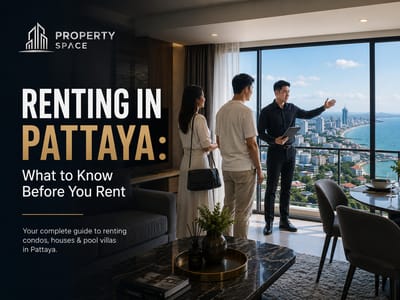
Renting in Pattaya: What to Know Before You Rent
Everything you need to know about renting a condo, house, or pool villa in Pattaya — best areas, costs, documents, and what your rental agent actually does.
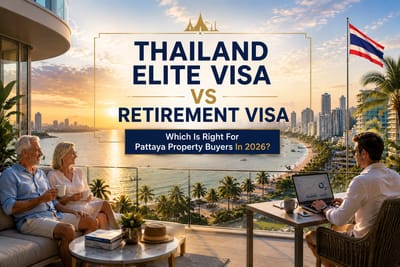
Thailand Elite Visa vs Retirement Visa: Which Is Right for Pattaya Property Buyers in 2026?
Thinking of buying property in Pattaya and staying long-term? This guide compares the Thailand Retirement Visa and the Thailand Privilege Card (Elite Visa) — covering costs, requirements, and which long-stay visa suits your lifestyle and budget in 2026.

The Riviera Beverly Hills Residence: Pattaya’s New Luxury Condo Investment Opportunity
Discover The Riviera Beverly Hills Residence, a luxury low-rise condo in Jomtien. Perfect for investors, expats & families seeking a Pattaya property.

The Riviera California - Iconic Living For The Few
Luxury Sea View Condos in Pattaya with 5-Star Concierge & Iconic Rooftop Pools | 122 Residences Only

The Riviera Santa Monica: Luxury Living Meets California Vibes in Jomtien, Pattaya
Discover The Riviera Santa Monica, an extraordinary 7th high-rise condominium by the award-winning Riviera Group.

Top 5 Condos in Pattaya 2025 | Best New Projects & Investment Guide
Discover Pattaya’s top 5 condo projects for 2025 — verified developments, investment potential, and local insight from PropertySpace.

Top Luxury Villas in Pattaya 2025 | PropertySpace Pattaya Guide
Explore Pattaya’s top luxury villa estates and pool villas in 2025 — gated communities, prime areas, and trusted insights from PropertySpace Pattaya
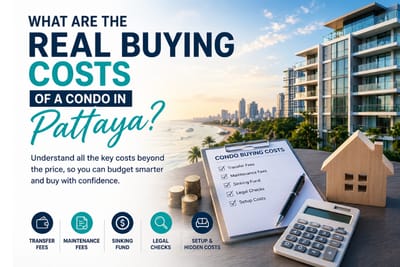
What Are the Real Buying Costs of a Condo in Pattaya?
Understand the real buying costs of a condo in Pattaya, including transfer fees, maintenance fees, sinking fund, legal checks, and hidden costs buyers often miss.

Where to Buy a House in Pattaya as a Foreigner (2026 Practical Guide)
A practical 2026 guide for foreigners buying houses in Pattaya, covering the best areas, ownership options, and real-life buying considerations.
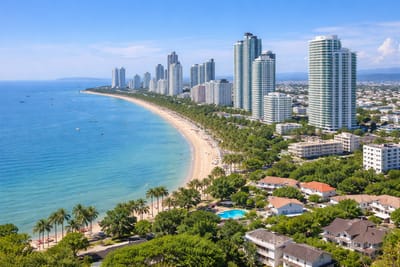
Why Pattaya Attracts Long-Stay Residents, Retirees and Second-Home Owners in Thailand
Discover why Pattaya attracts long-stay residents, retirees, and second-home owners seeking coastal living, convenience, and lifestyle flexibility

Why Pattaya is the Ideal Destination for Retirement
Discover why Pattaya is the ideal place to retire in Thailand

Why Pattaya Property Looks Stronger in 2026: EEC Growth, 3 Million Baht Condo Rules, and What Foreign Buyers Should Know
Pattaya property in 2026 is being shaped by EEC growth, stronger infrastructure, Aquatique District, and the 3 million baht condo extension support route. This guide explains what foreign buyers should understand before investing.

089 714 1551 (ENG/TH)
Call Now081 969 4950 (ENG/CN)
Call Now